« Deerfield... again | Main | Interesting article »
November 21, 2005
Public History -- Scott
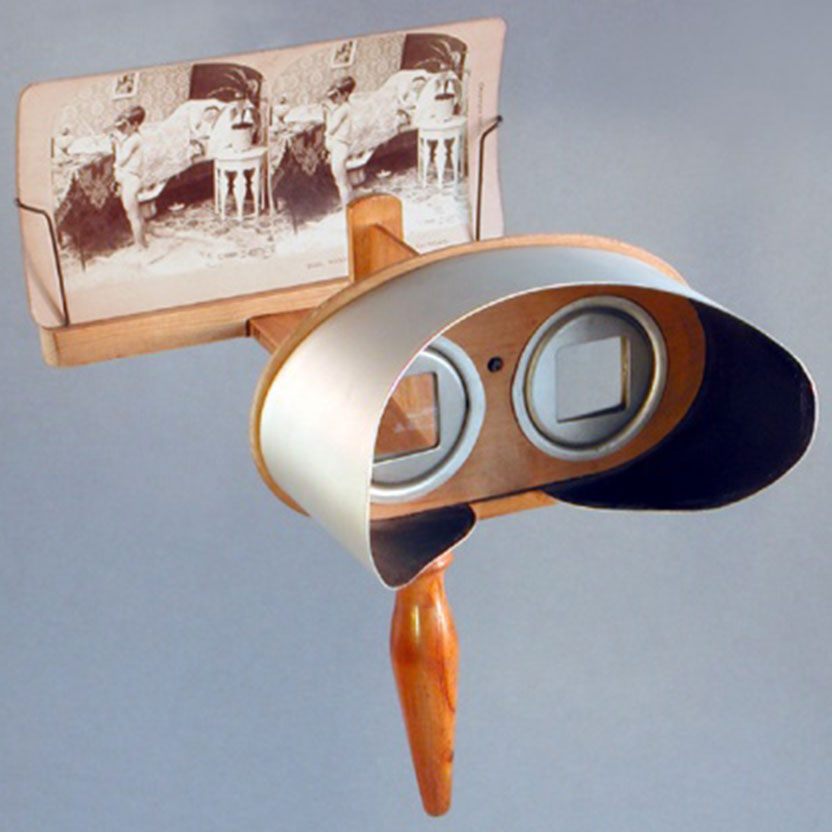
Did anyone else find that some of these sites were a bit weird? That “Devices of Wonder” site definitely fell under that category. Too much going on with little direction! And talk about a busy site with too many gimmicks, the Hitler Channel’s website (sorry, “History Channel”) had enough going on to confuse the brightest of us. No button for Hitler, Nazis, or the SS though (but search for “Nazi” on their search engine and see what comes up – especially the DVD sale’s pitch to the right). The “History Wired” link was broken so I was spared having to find out what our marvelous CHNM folks find to be their favorite sites. As for Julia, God rest her soul, that was a fun and very well organized site but after hearing her voice I kept expecting to see Dan Aykroyd pop up and accidentally chop off a finger after consuming a bottle of wine (anyone in the class ever watch SNL back in the 1970s or were most of you even born yet??) Great skit, irreverent as heck though. Not so sure of this site’s value as history, however, unless if falls under the cultural history rubric. The “Raid on Deerfield” site was also pretty cool. Then there was the “endless scroll” that was the narrative on Steve Dietz’s 1999 “Museums and the Web” page – Ugh – and ugh again, John Vergo’s article “Less Clicking.” Neither was much fun. So I guess I’ll dive into answering Question One and the winner is. . .
If I were to honestly answer the first question, I would lean towards having the History Channel site being the best for a “general” audience, if by “general” one means the educated public but not historians by training or education although that Julia Childs site was cool. I really liked the Raid on Deerfield site and I would have to consider it to be my favorite overall but I’m not sure if it was the best for a general audience?? It’s a perfect introduction to the incident with excellent background on the cultures involved that set the stage for the attack. What a compelling story too. English settlers captured by the hated French and terrifying Mohawks and Hurons and over a third of those survived turned their backs on their own culture to live as natives. Viva la France!
The site’s purpose is to present all sides of the story with the ultimate aim of letting the viewer decide if it was an unprovoked attack, a justified military action, or “something else?” So the viewer is presented with a highly interactive website that attempts to be a fairly comprehensive archive regarding the attack. Flash is required to view all of the interactive images but text versions alone are also available. An excellent teachers' resources section assists in helping instructors use this incident to explore a variety of subjects relative to this period in time.
It was the most comprehensive site, and I loved the artifacts section with many examples of historic documents available for perusal. They included actual photos of the documents, a good description of what each was, and a text transcription too along with a print button! Talk about comprehensive! Steven William’s account of his captivity as a young boy was engrossing. Check out the war club under the military objects, ugly looking weapon. Since the site purports to present all sides, the problem was how to portray the natives, who left no written records. Some of their verbal “traditions” were covered as were artifacts such as the war club, alternatives to what we as conventional historians are used to working with; this was a good attempt to discern more about the native-side of this story. Maps too are used to round out the story.
The narrative describing little Eunice Williams and her capture and subsequent life where she decided to remain with the natives is fascinating. Each section has links to artifacts, detailed narratives, biographies, all presented in a well-designed site. As we mentioned in class during the last few weeks, design does matter and this site falls into that category.
The designers covered all of the bases that I could think were worthwhile and also included some narratives, although their “composite” character narratives were questionable, such as the character of Atiwans. I read through his narrative, which was fascinating, only to find out that he never existed – very disappointing. But despite this caveat, one does get a feel for the cultures involved, more than what I expected when I examined the site. They even included songs that would make good drinking songs for next week’s festivities; how about “Toss the Pot” and the chorus: “Tosse the pot, tosse the pot, let us be merry and drinke till our cheeks be as red as a cherry.”
Barry O’Connell’s essay entitled “Who Owns History” neatly sums up what this site was all about: “It is out task, as students and teachers, writers and citizens, to bring everyone and everything out of the mist so we might hear their voices, follow their actions, and respect each person, past and present, as a maker as well as a subject of history.” Nicely stated!
Posted by sprice7 at November 21, 2005 12:25 PM